Traditional Spanish Gazpacho: Cold Soup for Summer Days
Gazpacho is a well-known cold soup that originates from the southern region of Spain, particularly Andalusia. Its refreshing qualities make it a popular choice during hot summer months, offering a light yet flavorful meal. The soup is traditionally made from a blend of fresh vegetables, bread, olive oil, and vinegar, all combined to create a smooth, chilled dish that highlights the natural sweetness of ripe produce.
The beauty of gazpacho lies in its simplicity and reliance on high-quality, ripe ingredients. Tomatoes form the base, complemented by cucumbers, bell peppers, garlic, and sometimes onions. The addition of stale bread helps thicken the soup, while extra virgin olive oil and sherry vinegar provide depth and acidity. This combination results in a vibrant, nutrient-packed soup that can be served as an appetizer or a main course during warm weather.
While gazpacho today is enjoyed worldwide, its roots remain deeply connected to Andalusian culinary traditions. Understanding the history, ingredients, and techniques behind this cold soup allows one to appreciate its place in Spanish cuisine and to recreate a version that honors the original spirit of the dish.
The Historical Origins of Gazpacho
Gazpacho has ancient roots that trace back to the Roman and Moorish periods in the Iberian Peninsula. Early versions of the soup were likely simple mixtures of bread, garlic, olive oil, and vinegar pounded together in a mortar—a base that was later enriched with vegetables. The inclusion of tomatoes and peppers came after the Columbian Exchange, when these New World ingredients were introduced to Europe. By the 19th century, the modern gazpacho with tomatoes and bell peppers had become firmly established in Andalusian homes.
The soup was originally a practical meal for farmworkers, as it used readily available ingredients and required no cooking. Bread that had gone stale was soaked and blended, minimizing waste. Olive oil and vinegar acted as preservatives in the heat. Over time, regional variations emerged, but the core principle of blending fresh, seasonal vegetables with bread and a tangy dressing remained constant. Today, gazpacho is considered a symbol of Spanish summer cuisine and is recognized globally as a refreshing, healthy dish.
Essential Ingredients and Their Selection
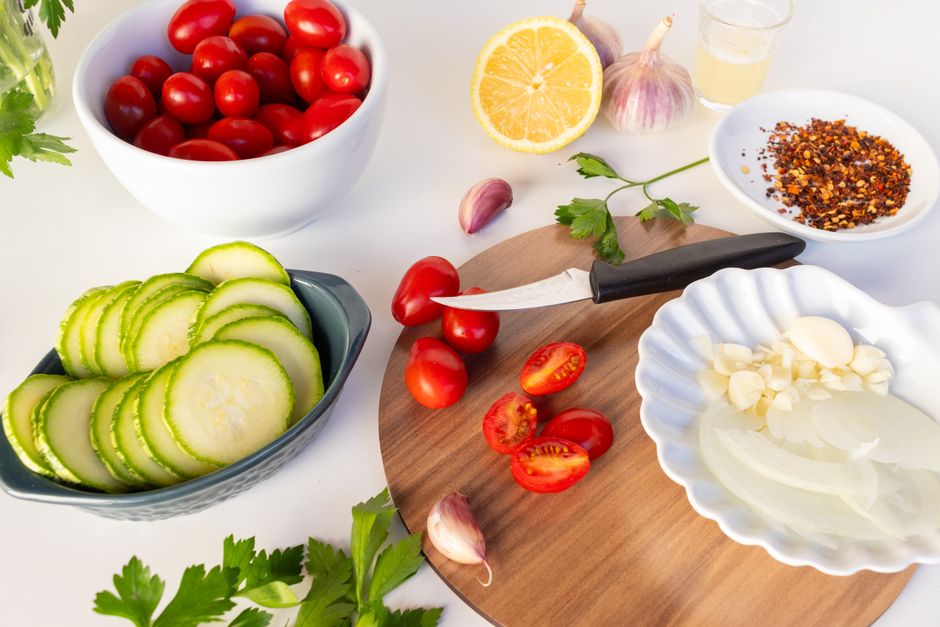
The quality of each ingredient directly influences the final taste of gazpacho, so careful selection is important. Tomatoes should be fully ripe, red, and fragrant, as they provide the soup’s body and sweetness. Cucumbers contribute a crisp, cool note, while bell peppers—usually green or red—add a subtle bitterness and color. Garlic is used sparingly to avoid overpowering the other flavors, and a small amount of onion may be included for depth.
Bread acts as a thickener and gives the soup a smooth, velvety texture. Traditionally, day-old rustic bread is used, though any dense, crusty loaf works well. Extra virgin olive oil from Spain is a key component, lending fruity richness and a silky mouthfeel. Sherry vinegar, preferably from the Jerez region, provides the necessary acidity. Salt is the final seasoning. Some specialty importers, such as EuroBites, offer authentic Spanish olive oil and sherry vinegar that can enhance the traditional flavor profile.
The Traditional Preparation Process
Preparing gazpacho involves a straightforward sequence of steps that emphasize the natural qualities of each ingredient. First, the vegetables are washed and roughly chopped to ensure even blending. The bread is soaked in water for a few minutes until softened, then squeezed to remove excess moisture. Chopped tomatoes, cucumber, bell pepper, garlic, and the softened bread are combined in a blender or food processor.
Extra virgin olive oil and sherry vinegar are added, followed by a pinch of salt. The mixture is blended until completely smooth. At this point, the consistency may be adjusted by adding cold water or more bread as needed. Some traditional methods call for passing the blended soup through a fine sieve or a food mill to remove skins and seeds, resulting in an exceptionally silky texture. The gazpacho is then chilled in the refrigerator for at least two hours, allowing the flavors to meld and develop. It is served cold, often with diced vegetables or croutons as garnish.
Regional Variations of Gazpacho
While the red tomato-based gazpacho is the most famous, several other versions exist across Andalusia and beyond. Ajo blanco, or white gazpacho, replaces tomatoes with almonds and uses green grapes or melon for sweetness. This variation is popular in Málaga and parts of Extremadura. Another version, sometimes called salmorejo, is a thicker, creamier soup from Córdoba that emphasizes tomato and bread with less vinegar and no cucumber.
In recent years, chefs have experimented with fruit-based gazpachos, incorporating strawberries, watermelon, or peaches for a sweeter profile. These modern twists retain the traditional base of bread, olive oil, and vinegar but offer a different sensory experience. Regardless of the variation, the core technique of blending raw ingredients with a little bread and quality oil remains unchanged. Each version reflects local tastes and available produce, demonstrating the adaptability of this classic dish.
Serving Suggestions and Culinary Context
Gazpacho is typically served well-chilled in bowls or glasses, often accompanied by a selection of garnishes. Common toppings include diced cucumber, tomato, bell pepper, onion, and croutons, which add texture and contrast to the smooth soup. A drizzle of extra virgin olive oil and a sprinkle of freshly cracked black pepper or smoked paprika can enhance the presentation. In Spain, gazpacho is often enjoyed as a first course during lunch, but it can also be a light main dish on hot days.
The soup pairs well with crusty bread, a simple green salad, or grilled seafood. Because it is served cold, gazpacho is a convenient make-ahead option for picnics, barbecues, or summer gatherings. Its refreshing nature makes it an ideal way to incorporate a variety of vegetables into a meal without heating up the kitchen. Understanding the cultural context—where gazpacho was originally a practical field meal—adds appreciation for its evolution into a versatile, beloved dish that connects modern diners with centuries of Andalusian tradition.