Bavarian Pretzels: A German Baking Classic Explained
Bavarian pretzels, known as Brezeln in German, are a traditional baked good with a distinct dark brown crust, a soft and airy interior, and a characteristic twisted shape. Unlike the salted pretzels often found in U.S. bakeries, the Bavarian version relies on a specific alkaline treatment to achieve its signature color and texture. This article explores the key steps involved in preparing these pretzels, from dough composition to the lye bath and shaping techniques.
The process requires attention to detail, particularly in the handling of food-grade lye (sodium hydroxide), which is an essential component for authentic results. While the method may appear technical, it follows a logical sequence that can be replicated in a home kitchen with proper precautions. Understanding the role of each ingredient and step contributes to a consistent outcome.
Understanding the Ingredients
The foundation of Bavarian pretzels lies in a simple dough made from wheat flour, water, yeast, salt, and a small amount of fat, such as butter or lard. A high-protein flour, typically bread flour with around 12% protein content, provides the necessary gluten development for a chewy yet tender crumb. The yeast can be either active dry or fresh, with fermentation times adjusted accordingly. Some recipes include malt syrup or barley malt powder, which adds subtle sweetness and aids in browning during baking.
Salt is used both in the dough and as a topping. Coarse pretzel salt or flaky sea salt is preferred for the surface, as it adheres better after the lye bath. The amount of water in the dough is relatively low compared to other breads, resulting in a stiff dough that is easier to shape. The fat content is minimal, contributing to a softer texture without making the pretzel greasy. Each ingredient serves a precise function, and substitutions may alter the final characteristics.
The Dough Preparation and Fermentation
Mixing the dough involves combining the dry ingredients first, then adding the water and yeast mixture. Kneading is carried out until the dough becomes smooth and elastic, which typically takes eight to ten minutes by hand or four to six minutes in a stand mixer. The dough should pass the windowpane test, indicating sufficient gluten development. After kneading, the dough is covered and allowed to rest at room temperature for a bulk fermentation period of about one hour, or until it doubles in volume.
Fermentation develops flavor and structure. A longer, cooler fermentation, such as an overnight rest in the refrigerator, can enhance the taste and improve the dough’s handling properties. After the first rise, the dough is divided into equal portions, usually around 80 to 100 grams per pretzel, and shaped into balls. A short bench rest of ten to fifteen minutes allows the gluten to relax, making the subsequent rolling and shaping easier. Proper fermentation ensures that the pretzels will rise evenly during the final proofing and baking.
Shaping the Pretzel
Shaping is a critical step that defines the classic pretzel form. Each dough ball is rolled into a long rope, approximately 50 to 60 centimeters in length, with tapered ends and a slightly thicker middle. The rope is then lifted and twisted by crossing the two ends over each other twice, then folding them down onto the bottom of the loop. This creates the familiar knot with three visible lobes. The ends should be pressed gently into the dough to prevent them from separating during the lye bath.
Consistency in thickness is important: if the ends are too thin, they may dry out and burn; if too thick, the center may remain doughy. Practice improves uniformity, and slight imperfections are acceptable as long as the overall shape holds. Once shaped, the pretzels are placed on a parchment-lined baking sheet and allowed to proof briefly, usually for twenty to thirty minutes, until they puff slightly. Overproofing can cause the pretzels to collapse in the lye bath, so careful timing is needed.
The Lye Bath Technique
The lye bath is what distinguishes Bavarian pretzels from other soft pretzels. A solution of food-grade sodium hydroxide in water creates an alkaline environment with a pH of around 12 to 13. When the pretzels are immersed for twenty to thirty seconds, the lye reacts with the surface starch, promoting rapid browning and a glossy crust during baking. Safety is paramount: lye is caustic and must be handled with gloves and eye protection. The solution is prepared by adding lye to water, never the reverse, to avoid splashing.
After dipping, the pretzels are drained briefly and placed on the baking sheet. The residue of lye on the surface is neutralized during baking, but the pretzels should be handled with care until fully baked. Some bakers use a baking soda solution as a substitute, but it produces a milder browning and a different texture. For authentic Bavarian results, the lye is preferred. The exact concentration of the solution and the dipping time can be adjusted to achieve the desired depth of color, though consistency is more important than precision in this range.
Baking and Final Touches
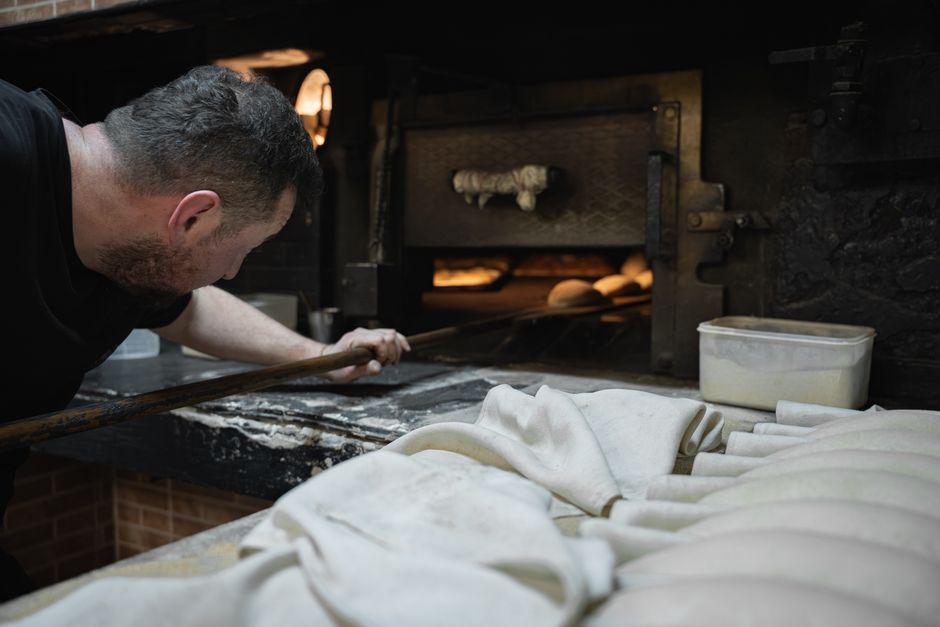
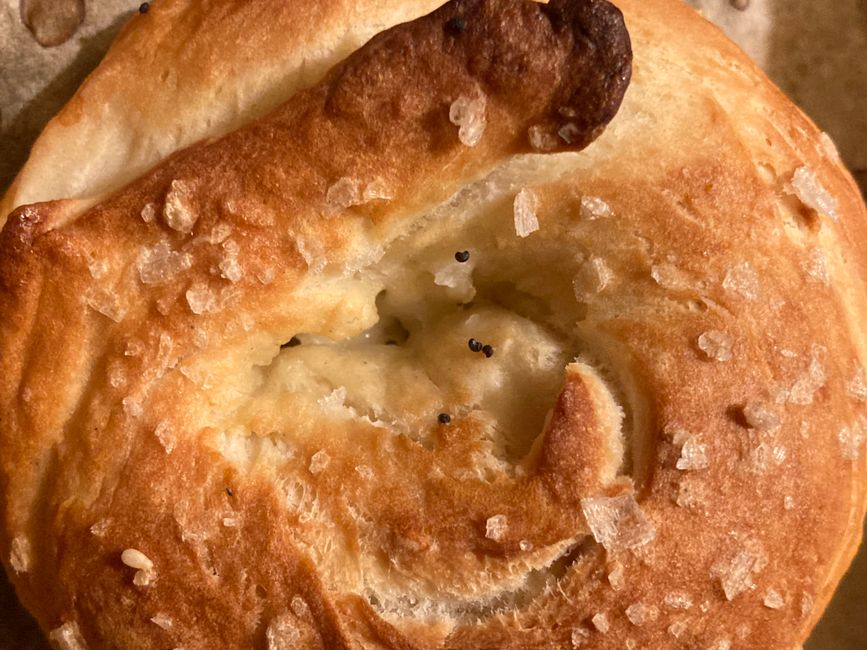
Once the pretzels have been dipped and scored (a shallow cut along the thickest part of the bottom lobe allows steam to escape), they are topped with coarse salt. Some variations include sprinkles of sesame seeds or caraway, though the classic version uses only salt. The pretzels are baked at a high temperature, typically around 425 to 450 degrees Fahrenheit, for twelve to fifteen minutes. The high heat rapidly sets the crust, while the interior remains soft and airy.
Baking time should be monitored closely, as the dark color can develop quickly. The pretzels are done when the crust is deep brown and the internal temperature reaches about 190 degrees Fahrenheit. After removal from the oven, they are transferred to a wire rack to cool slightly. The lye-treated crust will continue to crisp as it cools. For the best eating experience, pretzels are consumed warm, but they can be reheated briefly in an oven if prepared in advance.
Serving and Storage Considerations
Bavarian pretzels are commonly enjoyed on their own or with accompaniments such as obatzda, a Bavarian cheese spread, or sweet mustard. Their dense yet fluffy texture pairs well with hearty soups or salads. When storing, pretzels are best kept in a paper bag at room temperature for up to a day. Plastic bags trap moisture and soften the crust, diminishing the characteristic texture. For longer storage, pretzels can be frozen after baking, then reheated directly from the freezer in a hot oven for a few minutes.
Understanding the entire process—from ingredient selection to the final bake—allows bakers to replicate the classic Bavarian pretzel at home. The combination of a lean dough, careful shaping, and the lye bath produces a product that differs markedly from other breads. While the technique requires attention, it follows a clear sequence that can be mastered with practice. The result is a versatile baked good with a distinctive appearance and a balanced flavor profile.